Category: organic skincare

  • Retinol in Natural Skincare

    Retinol in Natural Skincare


    🌿 The Truth About Retinol in Natural Skincare
    Retinol has long been hailed as the holy grail of anti-aging skincare. But in the age of clean beauty and ingredient transparency, many are asking: Can retinol truly be part of a natural skincare routine? Let’s peel back the layers and uncover the truth.

    šŸ’” What Is Retinol, Really?
    Retinol is a derivative of vitamin A, known for its ability to:

    • Boost collagen production
    • Reduce fine lines and wrinkles
    • Improve skin texture and tone
    • Treat acne and hyperpigmentation

    It works by converting into retinoic acid, which interacts with skin cells to stimulate renewal and repair. But here’s the catch: conventional retinol is often synthesized in labs and can cause irritation, dryness, and sensitivity—especially for those with delicate skin.

    🌱 Is Retinol ā€œNaturalā€?
    Technically, retinol itself can be derived from animal sources (preformed vitamin A) or synthesized. However, beta-carotene, found in plant-based foods like carrots and sweet potatoes, is a natural precursor to retinol. Your body converts it into vitamin A as needed, reducing the risk of toxicity.
    So while pure retinol isn’t typically plant-based, there are natural alternatives that mimic its effects without the harsh side effects.

    🌸 Top Natural Retinol Alternatives
    If you’re looking for gentler, plant-powered options, here are some standout ingredients:
    These ingredients offer similar benefits to retinol—without the redness or peeling.

    āš–ļø Should You Ditch Retinol?
    Not necessarily. Retinol is effective, but it’s not one-size-fits-all. If you’re committed to a natural skincare philosophy, consider starting with retinol alternatives and observing how your skin responds. Many people find that bakuchiol or rosehip oil delivers visible results with less irritation.

    🧓 Final Thoughts
    Retinol isn’t inherently ā€œbadā€ or ā€œunnaturalā€ā€”but it’s not always the best fit for everyone. The rise of natural retinol alternatives gives us more choices, especially for those seeking gentler, plant-based solutions.
    Whether you’re a skincare minimalist or a clean beauty enthusiast, understanding your ingredients is the first step to glowing, healthy skin.

    Want help crafting a follow-up post like ā€œBakuchiol vs Retinol: Which Is Right for You?ā€ or ā€œDIY Natural Retinol Serum Recipesā€? I’ve got ideas ready to roll.

  • Best Organic Moisturizer for Combination Skin

    Best Organic Moisturizer for Combination Skin

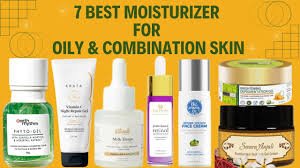
    🌿 Best Organic Moisturizer for Combination Skin: Balance, Hydrate, Glow

    Combination skin can feel like a skincare paradox—dry in some areas, oily in others, and always a little unpredictable. The key to taming this skin type? A moisturizer that hydrates without clogging pores, balances oil production, and uses clean, organic ingredients your skin will love.

    Let’s dive into the best organic moisturizers that check all the boxes for combination skin.


    🧓 What to Look for in an Organic Moisturizer for Combination Skin

    Before we get to the top picks, here’s what makes a moisturizer ideal for combination skin:

    • Lightweight texture: Gel or lotion-based formulas absorb quickly without feeling greasy.
    • Non-comedogenic: Won’t clog pores or trigger breakouts.
    • Balancing ingredients: Think niacinamide, aloe vera, green tea, and hyaluronic acid.
    • Certified organic: Free from parabens, sulfates, synthetic fragrances, and other harsh chemicals.


    🌟 Top Organic Moisturizers for Combination Skin

    1. Dot & Key Barrier Repair Moisturizer

    • 🌱 Why it’s great: Contains 5 ceramides and hyaluronic acid for deep hydration without heaviness.
    • 🧪 Bonus: Non-comedogenic and suitable for sensitive skin.
    • šŸ’ø Price: ₹335 for 100g

    2. RE’ EQUIL Oil-Free Moisturiser

    • 🌿 Why it’s great: Lightweight, prevents acne breakouts, and retains essential moisture.
    • 🧓 Texture: Gel-like and fast-absorbing.
    • šŸ’ø Price: ₹280 for 100g

    3. Dr. Sheth’s Ceramide & Vitamin C Moisturizing Cream

    • šŸŠ Why it’s great: Combines brightening Vitamin C with barrier-repairing ceramides.
    • 🌼 Botanical boost: Includes Ashwagandha for calming inflammation.
    • šŸ’ø Price: ₹317 for 50g

    4. Minimalist 10% Vitamin B5 Moisturizer

    • šŸ’§ Why it’s great: Oil-free hydration with barrier-repairing ingredients.
    • 🧊 Texture: Lightweight gel, perfect for humid climates.
    • šŸ’ø Price: ₹331 for 50g


    🧠 Pro Tips for Using Moisturizer on Combination Skin

    • Apply on damp skin to lock in hydration.
    • Use less on oily zones (like the T-zone) and more on dry areas (like cheeks).
    • Layer with serums if needed—Vitamin C in the morning, niacinamide at night.
    • Don’t skip sunscreen—moisturizer hydrates, but SPF protects.


    🌼 Final Thoughts

    Finding the right organic moisturizer for combination skin is all about balance. These picks offer hydration without heaviness, nourishment without breakouts, and clean ingredients without compromise. Whether you’re battling midday shine or flaky cheeks, these moisturizers help your skin find its sweet spot.

  • The Glow Getter Vitamin C Serum

    The Glow Getter Vitamin C Serum

    šŸŠ The Glow Getter: 10 Powerful Benefits of Using Vitamin C Serum
    If your skincare shelf is missing Vitamin C serum, it’s time to make space for this powerhouse. Often hailed as the holy grail of skincare, Vitamin C serum is more than just a trend—it’s a transformative ingredient backed by science and loved by dermatologists worldwide.
    Whether you’re battling dullness, pigmentation, or early signs of aging, here’s why Vitamin C serum deserves a permanent spot in your routine.

    ✨ 1. Brightens Your Complexion
    Vitamin C is a natural skin illuminator. It fades dullness and boosts radiance by inhibiting melanin production, giving you that coveted lit-from-within glow.
    Think of it as your skin’s morning coffee—reviving, energizing, and refreshing.

    🌈 2. Evens Out Skin Tone
    Say goodbye to patchy pigmentation and uneven skin tone. Vitamin C helps fade dark spots, acne scars, and sun damage, revealing a more uniform complexion over time.

    🧬 3. Boosts Collagen Production
    Collagen is the protein that keeps your skin firm and youthful. Vitamin C stimulates collagen synthesis, helping reduce fine lines and improve skin elasticity.
    Translation: smoother, plumper, younger-looking skin.

    šŸ›”ļø 4. Fights Free Radical Damage
    As a potent antioxidant, Vitamin C neutralizes free radicals caused by pollution, UV rays, and stress. This helps prevent premature aging and keeps your skin resilient.

    šŸŒž 5. Enhances Sun Protection
    While Vitamin C isn’t a sunscreen, it works synergistically with SPF to shield your skin from harmful UV rays. Layering it under sunscreen gives you double the defense.

    šŸ’§ 6. Hydrates and Nourishes
    Many Vitamin C serums are formulated with hydrating ingredients like hyaluronic acid or glycerin. This helps lock in moisture and keeps your skin soft and supple.

    šŸ§–ā€ā™€ļø 7. Improves Skin Texture
    Regular use of Vitamin C serum can refine rough patches, minimize pores, and smooth out uneven texture—making your skin feel as good as it looks.

    šŸ”„ 8. Calms Redness and Inflammation
    Vitamin C has anti-inflammatory properties that soothe irritated skin, reduce redness, and help with conditions like rosacea or post-acne flare-ups.

    🧪 9. Speeds Up Healing
    Got a breakout or a scratch? Vitamin C accelerates the skin’s natural healing process, helping blemishes fade faster and reducing the risk of scarring.

    šŸ•’ 10. Works Well with Other Actives
    Vitamin C pairs beautifully with ingredients like Vitamin E, ferulic acid, and niacinamide. These combinations amplify its benefits and make your skincare routine even more effective.

    🌿 Final Thoughts
    Vitamin C serum isn’t just another bottle on your shelf—it’s a skincare investment. With consistent use, you’ll notice brighter, smoother, and healthier skin that feels as good as it looks.
    So go ahead, give your skin the citrus-powered boost it deserves. Your future face will thank you.

  • The Glow Revolution

    The Glow Revolution

    In a world where labels scream ā€œnatural,ā€ ā€œclean,ā€ and ā€œgreen,ā€ it’s easy to get swept up in the buzz. But organic skincare isn’t just a marketing gimmick—it’s a movement rooted in wellness, sustainability, and self-respect. Let’s dive into why switching to organic skincare might be the best thing you do for your skin (and the planet).

    ✨ What Makes Skincare ā€œOrganicā€?

    Organic skincare products are made from ingredients grown without synthetic pesticides, herbicides, or genetically modified organisms (GMOs). These products often carry certifications from organizations like USDA Organic or Ecocert, ensuring that what touches your skin is as pure as nature intended.

    Key Features:

    • No synthetic fragrances or dyes
    • Free from parabens, sulfates, and petrochemicals
    • Cruelty-free and often vegan
    • Packaged sustainably

    🌸 Why Go Organic?

    1. Gentle on Skin

    Organic ingredients like aloe vera, chamomile, and rosehip oil are known for their soothing properties. They’re less likely to cause irritation, making them ideal for sensitive skin.

    2. Rich in Nutrients

    Think antioxidants, vitamins, and essential fatty acids—all naturally occurring in organic ingredients. These nourish your skin deeply and promote long-term health.

    3. Eco-Friendly

    Organic farming practices protect biodiversity and reduce pollution. Choosing organic skincare is a vote for a cleaner planet.

    4. Transparency

    Most organic brands are proud of their ingredient lists. You’ll find fewer mystery chemicals and more honesty.

    🌿 Must-Try Organic Ingredients

    🧓 Top Organic Skincare Brands to Explore

    • The Organic Bunny – Offers curated organic beauty products with glam appeal
    • Eminence Organics – A pioneer in organic skincare since 1958
    • Primally Pure – Known for minimalist, effective formulations

    šŸ’” Tips for Transitioning to Organic Skincare

    • Start with one product—like a cleanser or moisturizer—and observe how your skin reacts.
    • Read labels carefully. ā€œNaturalā€ doesn’t always mean ā€œorganic.ā€
    • Be patient. Your skin may take time to adjust to new ingredients.

    šŸŒ Final Thoughts

    Organic skincare is more than a beauty choice—it’s a lifestyle shift. It’s about honoring your body, respecting the earth, and embracing simplicity. Whether you’re a skincare minimalist or a product junkie, there’s an organic option waiting to elevate your routine.