Category: Blog

Your blog category

  • How to Cook Rice Perfectly in easy

    let us learn how to cook rice

    how to cook Rice is a staple food enjoyed by millions around the world. Whether you’re preparing a simple home-cooked meal or an elaborate feast, perfectly cooked rice is a must-have on the table. But many people struggle to get it just right—too sticky, too dry, or sometimes half-cooked. The good news is: cooking rice is easy once you know the right technique.

    In this blog, we’ll guide you through a simple method to cook fluffy, delicious rice on the stovetop. Whether you’re a beginner or someone looking to refine your skills, this step-by-step guide will help you master the art of rice cooking.

    Why Rinse Rice Before Cooking?

    Before we begin, one of the most important steps is rinsing the rice.

    Raw rice is coated with surface starch that can make it sticky when cooked. Rinsing it with cold water removes this excess starch and prevents clumping. Simply place the rice in a bowl or strainer, add water, swirl it with your fingers, and drain. Repeat 2–3 times until the water runs clear.

    Basic Ingredients

    To cook plain white rice (basmati or long-grain), you’ll need:

    • 1 cup rice
    • 2 cups water
    • ½ teaspoon salt (optional)
    • 1 teaspoon oil or butter (optional)

    Tip: You can adjust quantities based on how much rice you need—just keep the 1:2 rice-to-water ratio.how to cook rice

    Step-by-Step: How to Cook Rice on the Stove

    1. Measure the Rice and Water

    Add 1 cup of rinsed rice and 2 cups of water to a medium saucepan. Add salt and oil if desired.

    2. The Boil Water 

    Place the pan over medium-high heat and bring the water to a boil. You’ll notice small bubbles forming on the surface.

    3. Simmer and Cover

    Once it starts boiling, reduce the heat to the lowest setting and cover the pan with a tight-fitting lid. This traps the steam and helps the rice cook evenly.

    4. Cook for 15–18 Minutes

    Let the rice simmer on low heat for 15–18 minutes. Try not to open the lid or stir during this time—disturbing the steam can affect the texture.

    5. Let it Rest

    After the cooking time is done, turn off the heat and leave the rice covered for another 5–10 minutes. This allows the rice to finish cooking through steam and become fluffy.

    6. Fluff and Serve

    Open the lid and gently fluff the rice with a fork. It should be light, non-sticky, and perfectly cooked.

    Tips for Better Rice

    • Use a heavy-bottomed pot to avoid burning or sticking.
    • Avoid stirring the rice while it cooks—it breaks the grains and makes rice mushy.
    • Resting time after cooking is essential for fluffiness.
    • If rice is too wet, remove the lid and cook for 2–3 more minutes on low heat.

    Common Rice Varieties and Water Ratios

    Rice Type Water Ratio Cooking Time
    Basmati (white) 1:2 15–18 mins
    Long-grain white 1:2 18–20 mins
    Jasmine 1:1.75 15–18 mins
    Brown rice 1:2.5 35–40 mins
    Parboiled rice 1:2.25 20–25 mins

    Note: Brown rice takes longer and needs more water due to its outer bran layer.

    Alternative Cooking Methods

    1. Rice Cooker

    Add rinsed rice and water, press the “cook” button, and let the machine do the rest. It’s perfect for busy cooks or beginners.

    2. Instant Pot / Pressure Cooker

    Use 1 cup rice to 1¼ cups water. Cook on high pressure for 4–6 minutes, then let it naturally release for 10 minutes.

    Final Thoughts

    i hope you have learn how to cook rice Cooking rice may seem basic, but mastering it can elevate your entire meal. Whether you’re serving it with curries, vegetables, dals, or stir-fries, fluffy rice forms the perfect base. With this simple method and a few tips, you can now cook perfect rice every single time—without any stress.

    Ready to try it out? Start with your favorite type of rice, follow the steps, and enjoy the satisfaction of getting it just right.

    Faq

    What is the basic ratio of rice to water?

    For white rice, the standard ratio is 1 cup of rice to 2 cups of water. For brown rice, use 1 cup of rice to 2.5 cups of water. This may vary slightly depending on the type of rice and your cooking method.
     

  • Retinol in Natural Skincare

    Retinol in Natural Skincare


    🌿 The Truth About Retinol in Natural Skincare
    Retinol has long been hailed as the holy grail of anti-aging skincare. But in the age of clean beauty and ingredient transparency, many are asking: Can retinol truly be part of a natural skincare routine? Let’s peel back the layers and uncover the truth.

    💡 What Is Retinol, Really?
    Retinol is a derivative of vitamin A, known for its ability to:

    • Boost collagen production
    • Reduce fine lines and wrinkles
    • Improve skin texture and tone
    • Treat acne and hyperpigmentation

    It works by converting into retinoic acid, which interacts with skin cells to stimulate renewal and repair. But here’s the catch: conventional retinol is often synthesized in labs and can cause irritation, dryness, and sensitivity—especially for those with delicate skin.

    🌱 Is Retinol “Natural”?
    Technically, retinol itself can be derived from animal sources (preformed vitamin A) or synthesized. However, beta-carotene, found in plant-based foods like carrots and sweet potatoes, is a natural precursor to retinol. Your body converts it into vitamin A as needed, reducing the risk of toxicity.
    So while pure retinol isn’t typically plant-based, there are natural alternatives that mimic its effects without the harsh side effects.

    🌸 Top Natural Retinol Alternatives
    If you’re looking for gentler, plant-powered options, here are some standout ingredients:
    These ingredients offer similar benefits to retinol—without the redness or peeling.

    ⚖️ Should You Ditch Retinol?
    Not necessarily. Retinol is effective, but it’s not one-size-fits-all. If you’re committed to a natural skincare philosophy, consider starting with retinol alternatives and observing how your skin responds. Many people find that bakuchiol or rosehip oil delivers visible results with less irritation.

    🧴 Final Thoughts
    Retinol isn’t inherently “bad” or “unnatural”—but it’s not always the best fit for everyone. The rise of natural retinol alternatives gives us more choices, especially for those seeking gentler, plant-based solutions.
    Whether you’re a skincare minimalist or a clean beauty enthusiast, understanding your ingredients is the first step to glowing, healthy skin.

    Want help crafting a follow-up post like “Bakuchiol vs Retinol: Which Is Right for You?” or “DIY Natural Retinol Serum Recipes”? I’ve got ideas ready to roll.

  • Best Organic Moisturizer for Combination Skin

    Best Organic Moisturizer for Combination Skin

    🌿 Best Organic Moisturizer for Combination Skin: Balance, Hydrate, Glow

    Combination skin can feel like a skincare paradox—dry in some areas, oily in others, and always a little unpredictable. The key to taming this skin type? A moisturizer that hydrates without clogging pores, balances oil production, and uses clean, organic ingredients your skin will love.

    Let’s dive into the best organic moisturizers that check all the boxes for combination skin.


    🧴 What to Look for in an Organic Moisturizer for Combination Skin

    Before we get to the top picks, here’s what makes a moisturizer ideal for combination skin:

    • Lightweight texture: Gel or lotion-based formulas absorb quickly without feeling greasy.
    • Non-comedogenic: Won’t clog pores or trigger breakouts.
    • Balancing ingredients: Think niacinamide, aloe vera, green tea, and hyaluronic acid.
    • Certified organic: Free from parabens, sulfates, synthetic fragrances, and other harsh chemicals.


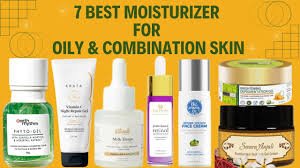
    🌟 Top Organic Moisturizers for Combination Skin

    1. Dot & Key Barrier Repair Moisturizer

    • 🌱 Why it’s great: Contains 5 ceramides and hyaluronic acid for deep hydration without heaviness.
    • 🧪 Bonus: Non-comedogenic and suitable for sensitive skin.
    • 💸 Price: ₹335 for 100g

    2. RE’ EQUIL Oil-Free Moisturiser

    • 🌿 Why it’s great: Lightweight, prevents acne breakouts, and retains essential moisture.
    • 🧴 Texture: Gel-like and fast-absorbing.
    • 💸 Price: ₹280 for 100g

    3. Dr. Sheth’s Ceramide & Vitamin C Moisturizing Cream

    • 🍊 Why it’s great: Combines brightening Vitamin C with barrier-repairing ceramides.
    • 🌼 Botanical boost: Includes Ashwagandha for calming inflammation.
    • 💸 Price: ₹317 for 50g

    4. Minimalist 10% Vitamin B5 Moisturizer

    • 💧 Why it’s great: Oil-free hydration with barrier-repairing ingredients.
    • 🧊 Texture: Lightweight gel, perfect for humid climates.
    • 💸 Price: ₹331 for 50g


    🧠 Pro Tips for Using Moisturizer on Combination Skin

    • Apply on damp skin to lock in hydration.
    • Use less on oily zones (like the T-zone) and more on dry areas (like cheeks).
    • Layer with serums if needed—Vitamin C in the morning, niacinamide at night.
    • Don’t skip sunscreen—moisturizer hydrates, but SPF protects.


    🌼 Final Thoughts

    Finding the right organic moisturizer for combination skin is all about balance. These picks offer hydration without heaviness, nourishment without breakouts, and clean ingredients without compromise. Whether you’re battling midday shine or flaky cheeks, these moisturizers help your skin find its sweet spot.

  • The Glow Getter Vitamin C Serum

    The Glow Getter Vitamin C Serum

    🍊 The Glow Getter: 10 Powerful Benefits of Using Vitamin C Serum
    If your skincare shelf is missing Vitamin C serum, it’s time to make space for this powerhouse. Often hailed as the holy grail of skincare, Vitamin C serum is more than just a trend—it’s a transformative ingredient backed by science and loved by dermatologists worldwide.
    Whether you’re battling dullness, pigmentation, or early signs of aging, here’s why Vitamin C serum deserves a permanent spot in your routine.

    ✨ 1. Brightens Your Complexion
    Vitamin C is a natural skin illuminator. It fades dullness and boosts radiance by inhibiting melanin production, giving you that coveted lit-from-within glow.
    Think of it as your skin’s morning coffee—reviving, energizing, and refreshing.

    🌈 2. Evens Out Skin Tone
    Say goodbye to patchy pigmentation and uneven skin tone. Vitamin C helps fade dark spots, acne scars, and sun damage, revealing a more uniform complexion over time.

    🧬 3. Boosts Collagen Production
    Collagen is the protein that keeps your skin firm and youthful. Vitamin C stimulates collagen synthesis, helping reduce fine lines and improve skin elasticity.
    Translation: smoother, plumper, younger-looking skin.

    🛡️ 4. Fights Free Radical Damage
    As a potent antioxidant, Vitamin C neutralizes free radicals caused by pollution, UV rays, and stress. This helps prevent premature aging and keeps your skin resilient.

    🌞 5. Enhances Sun Protection
    While Vitamin C isn’t a sunscreen, it works synergistically with SPF to shield your skin from harmful UV rays. Layering it under sunscreen gives you double the defense.

    💧 6. Hydrates and Nourishes
    Many Vitamin C serums are formulated with hydrating ingredients like hyaluronic acid or glycerin. This helps lock in moisture and keeps your skin soft and supple.

    🧖‍♀️ 7. Improves Skin Texture
    Regular use of Vitamin C serum can refine rough patches, minimize pores, and smooth out uneven texture—making your skin feel as good as it looks.

    🔥 8. Calms Redness and Inflammation
    Vitamin C has anti-inflammatory properties that soothe irritated skin, reduce redness, and help with conditions like rosacea or post-acne flare-ups.

    🧪 9. Speeds Up Healing
    Got a breakout or a scratch? Vitamin C accelerates the skin’s natural healing process, helping blemishes fade faster and reducing the risk of scarring.

    🕒 10. Works Well with Other Actives
    Vitamin C pairs beautifully with ingredients like Vitamin E, ferulic acid, and niacinamide. These combinations amplify its benefits and make your skincare routine even more effective.

    🌿 Final Thoughts
    Vitamin C serum isn’t just another bottle on your shelf—it’s a skincare investment. With consistent use, you’ll notice brighter, smoother, and healthier skin that feels as good as it looks.
    So go ahead, give your skin the citrus-powered boost it deserves. Your future face will thank you.

  • Using Skincare on Your Face

    Using Skincare on Your Face

    ✨ How to Use Skincare on Your Face: A Beginner’s Guide to Glowing Skin

    Let’s face it—your skin deserves a little love. Whether you’re a skincare newbie or someone who’s dabbled in serums and masks, understanding how to use skincare properly can make all the difference. So, let’s break it down into a simple, effective routine that most skin types.

    🧼 Step 1: Cleanse Like You Mean It

    Cleansing is the foundation of any skincare routine. It removes dirt, oil, and makeup, prepping your skin for the good stuff.

    • Morning: Use a gentle cleanser to wash away overnight sweat and oil.
    • Night: Double cleanse if you wore makeup or sunscreen—start with an oil-based cleanser, then follow with a water-based one.

    💡 Tip: Avoid harsh soaps that strip your skin. Look for pH-balanced formulas.

    💧 Step 2: Tone (Optional but Beneficial)

    Toners help balance your skin’s pH and remove any leftover residue. They can also hydrate or exfoliate, depending on the formula.

    • Hydrating toners are great for dry or sensitive skin.
    • Exfoliating toners (with AHAs or BHAs) help unclog pores and smooth texture.

    🧴 Step 3: Treat with Serums

    Serums are concentrated formulas that target specific concerns like acne, dullness, or aging.

    • Vitamin C for brightening
    • Niacinamide for oil control and pore refinement
    • Retinol for anti-aging (use at night only)

    Apply serums before heavier creams so they can penetrate deeply.

    🧈 Step 4: Moisturize

    Moisturizer locks in hydration and keeps your skin barrier healthy.

    • Gel-based for oily skin
    • Cream-based for dry skin
    • Lightweight lotion for combination skin

    Even oily skin needs moisture—skipping this step can lead to more oil production.

    🌞 Step 5: Sunscreen (AM Only)

    This is non-negotiable. Sunscreen protects your skin from UV damage, premature aging, and hyperpigmentation.

    • Use SPF 30 or higher
    • Apply generously and reapply every 2–3 hours if you’re outdoors

    🛌 Bonus: Night Routine Tweaks

    At night, swap sunscreen for a richer moisturizer or a sleeping mask. This is also the best time to use retinol or exfoliating acids, as your skin repairs itself while you sleep.


    🧠 Final Thoughts

    Skincare isn’t about perfection—it’s about consistency. Start simple, listen to your skin, and adjust as needed. And remember, no product works overnight. Give it time, and your skin will thank you.